
How Manufacturers Evaluate Sleep Powder Solubility, Flow and Hygroscopicity
Sleep powder development must separate true solubility from dispersion, evaluate powder flow for filling, control moisture-sensitive ingredients and approve flavor at the full serving. The formula and package should be engineered as one system.
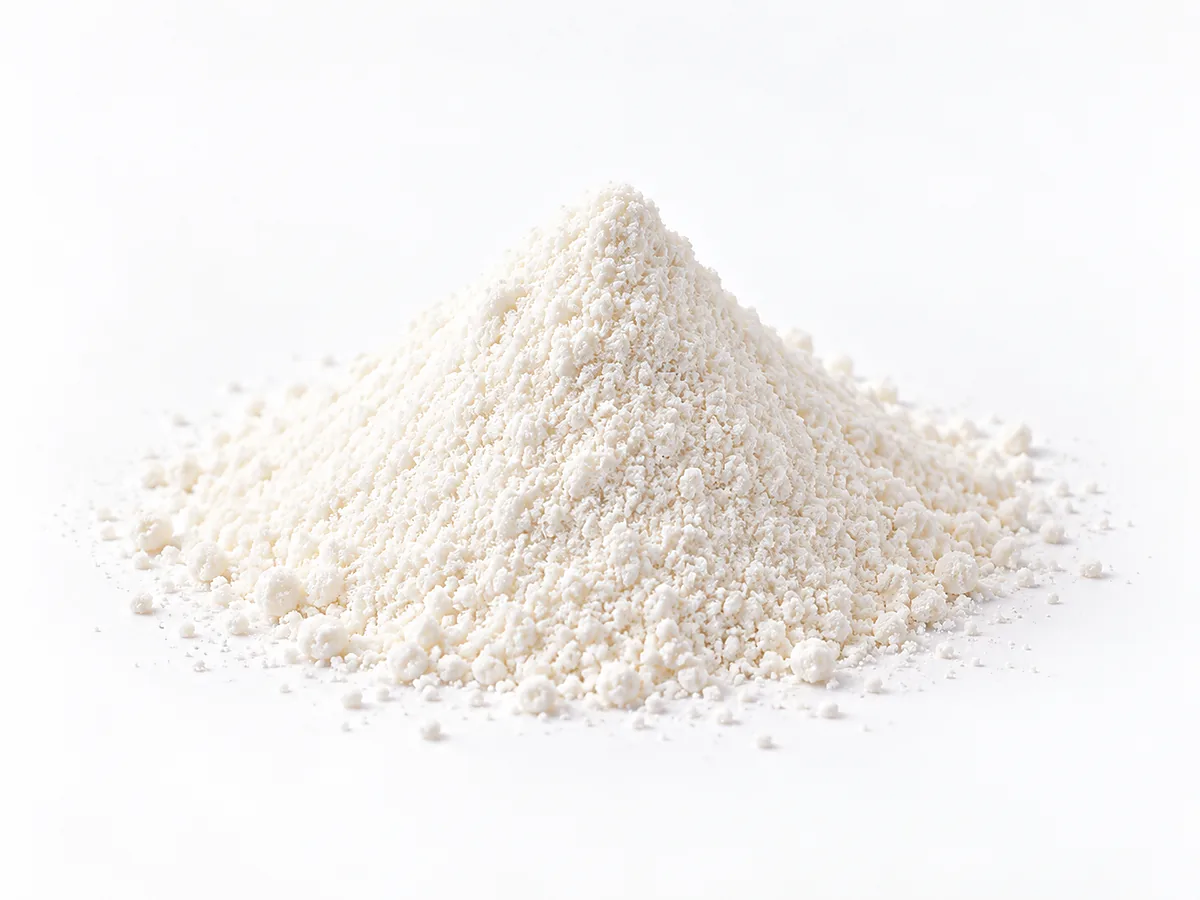
A clear drink is not always technically realistic. Buyers should define acceptable dispersion, settling, mouthfeel and preparation method, then evaluate flow, fill weight, packaging barrier and storage behavior before approving the commercial specification.
Direct Answer for Buyers
A clear drink is not always technically realistic. Buyers should define acceptable dispersion, settling, mouthfeel and preparation method, then evaluate flow, fill weight, packaging barrier and storage behavior before approving the commercial specification.
Define the expected drinking experience
“Soluble” is often used loosely. Some materials dissolve, some disperse temporarily and some remain visible or settle. The buyer should define whether clarity is required, whether light sediment is acceptable and how the consumer will prepare and drink the serving.
Water volume, temperature, mixing method and wait time change the observation. The sample protocol should record these conditions so formula revisions can be compared consistently.
Evaluate ingredient form and particle behavior
Minerals, amino acids, botanical extracts, flavors and acids have different particle sizes, densities and water behavior. A blend can segregate during handling or create floating particles, foam or sediment in the drink. Raw-material specifications therefore affect both manufacturing and consumer experience.
Changing a supplier or material grade may alter flow and dispersion even when the ingredient name remains the same. Critical material attributes should be included in the approved specification where relevant.
Control powder flow for commercial filling
A laboratory blend that tastes acceptable may not feed consistently through a commercial filling line. Cohesion, static, fine particles and moisture pickup can affect fill-weight consistency and equipment behavior. Flow aids or particle engineering may be considered only after compatibility and label requirements are reviewed.
Tub filling and narrow stick-pack filling present different demands. The target fill weight, bulk density and package dimensions must be evaluated together.
Manage hygroscopicity and clumping
Some powder ingredients absorb moisture readily. Moisture pickup can cause clumping, reduced flow, package residue or changes in sensory performance. Manufacturing environment, raw-material handling and package barrier all contribute to control.
A buyer should not rely on a desiccant or foil statement as a universal solution. The complete product and packaging system needs an agreed protection strategy and verification plan.
Balance acids, sweeteners and flavor
Mineral and botanical systems can create bitterness, sourness, metallic notes or lingering aftertaste. Acid and sweetener choices affect both flavor and formula chemistry. Evaluate the intended serving in the proposed water volume rather than optimizing a diluted demonstration sample.
Multiple launch flavors should share a controlled base where practical, but each flavor still needs its own sensory approval and may affect color or ingredient declaration.
Write a powder-specific specification
The final specification should identify serving weight, formula revision, relevant physical appearance, preparation method, sensory reference, fill system and package configuration. Testing and batch documentation should match the finished product and project requirements.
Exact fill weight, stick dimensions, MOQ and lead time are confirmed after formula density, packaging and production setup are reviewed.
Buyer Decision Matrix
| Technical question | What to evaluate | Commercial consequence |
|---|---|---|
| Dissolution vs dispersion | Clarity, sediment, foam and mixing method | Consumer instructions and expectations |
| Flow | Bulk density, cohesion, static and moisture | Filling method and weight control |
| Hygroscopicity | Moisture pickup and clumping | Barrier, handling and storage plan |
| Sensory | Full-serving flavor, mouthfeel and aftertaste | Prototype revisions and flavor choice |
| Package fit | Tub, pouch or stick dimensions | Fill feasibility, unit count and logistics |
Procurement and Development Checklist
- Define water volume and mixing method.
- State acceptable clarity or sediment.
- Review material grades and particle behavior.
- Evaluate commercial filling route.
- Confirm moisture-barrier strategy.
- Approve each flavor at full serving.
- Document serving weight and package basis.
Related Buyer Guides and Capabilities
Frequently Asked Questions
Does a sleep powder need to dissolve completely?
That depends on the product brief and ingredients. The brand should define an acceptable consumer experience and communicate preparation accurately.
Why does powder clump?
Moisture-sensitive ingredients, fine particles, storage and packaging can contribute. The complete formula and handling system need review.
Can the same formula use a tub and stick pack?
Possibly, but bulk density, flow, fill weight, stick dimensions and package barrier must be reviewed for each system.
Does a bench sample prove filling performance?
No. Bench samples support formula and sensory decisions; commercial filling behavior requires process-oriented review.
Start Your Sleep Supplement Project
Tell us your target market, formula direction, dosage form, packaging and estimated order quantity.